
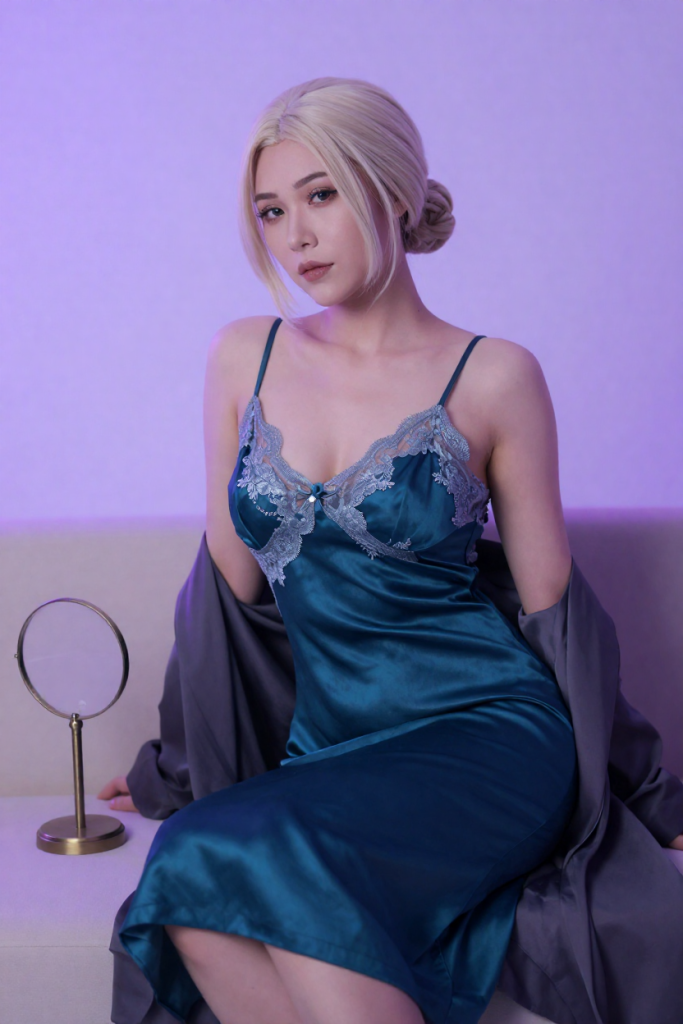
Members arrive at the video bench with paragraph-long motion briefs and leave with melting faces. The method taught at the seeker loft is the opposite: one small verb per clip, chosen like you are directing an actress who can only take one note at a time — because you are.
The small-verb rule
A motion brief should contain exactly one movement, stated plainly: “she turns her head slowly toward camera”. Not turns, smiles, walks and tosses her hair — four verbs is four chances for the tracker to lose her face. Stack clips instead: prove the turn, then cut to the smile, then to the step. Editing is cheap; re-rendering a melted thirty-second brief is not.
Order of operations
- Start from a still that already works. Motion cannot rescue composition.
- Render the shortest length first and watch the face at full size, not the thumbnail.
- Lengthen only what held. A three-second turn that survives scrutiny beats a ten-second one that swims.
- Keep the camera still in your brief unless the subject is stiller. One moving thing per clip, total.
What the bench sees go wrong
Fast head turns tear features. Busy backgrounds crawl. Wardrobe described loosely in the still morphs mid-clip. Every one of those is a brief problem, not a model problem — and every one is fixed by the same sentence: smaller, slower, one verb.